Buy dinnertime.eu ?
We are moving the project
dinnertime.eu .
Are you interested in purchasing the domain
dinnertime.eu ?
domain@kv-gmbh.de · 0541-91531010
Buy dinnertime.eu ?
Types of Fan Palm
There are several types of fan palms, including the Mexican Fan Palm (Washingtonia robusta), the California Fan Palm (Washingtonia filifera), and the Mediterranean Fan Palm (Chamaerops humilis). Mexican Fan Palms are tall and slender with a smooth trunk, while California Fan Palms have a thicker trunk and a more bushy appearance. Mediterranean Fan Palms are smaller in size and are known for their multiple trunks. Each type of fan palm has its own unique characteristics and growing requirements. **
Is the fan palm cold hardy?
The fan palm is generally not considered cold hardy. Most fan palms are tropical or subtropical plants and are not able to tolerate freezing temperatures. They are best suited for warm climates and may need protection or special care during colder weather. **
Similar search terms for Graham-Brown-Palm-Fan
Top-Angebote
Products related to Graham-Brown-Palm-Fan:
-
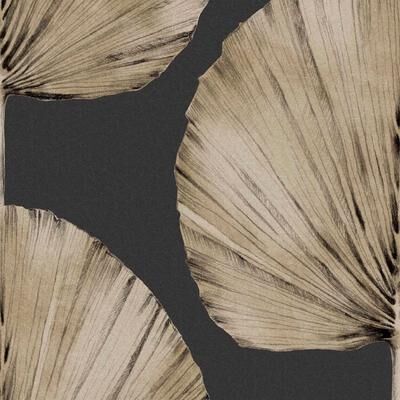
Graham & Brown Daintree Palm Sterling WallpaperSophisticated and intriguing, this extra large repeat wallpaper with a fabric look backdrop oozes class. Use as a unique, neutral setting in your home or spice it up with some bold color block accessories.190,00 $*Shipping: 0,00 $Secure redirect to the provider
-
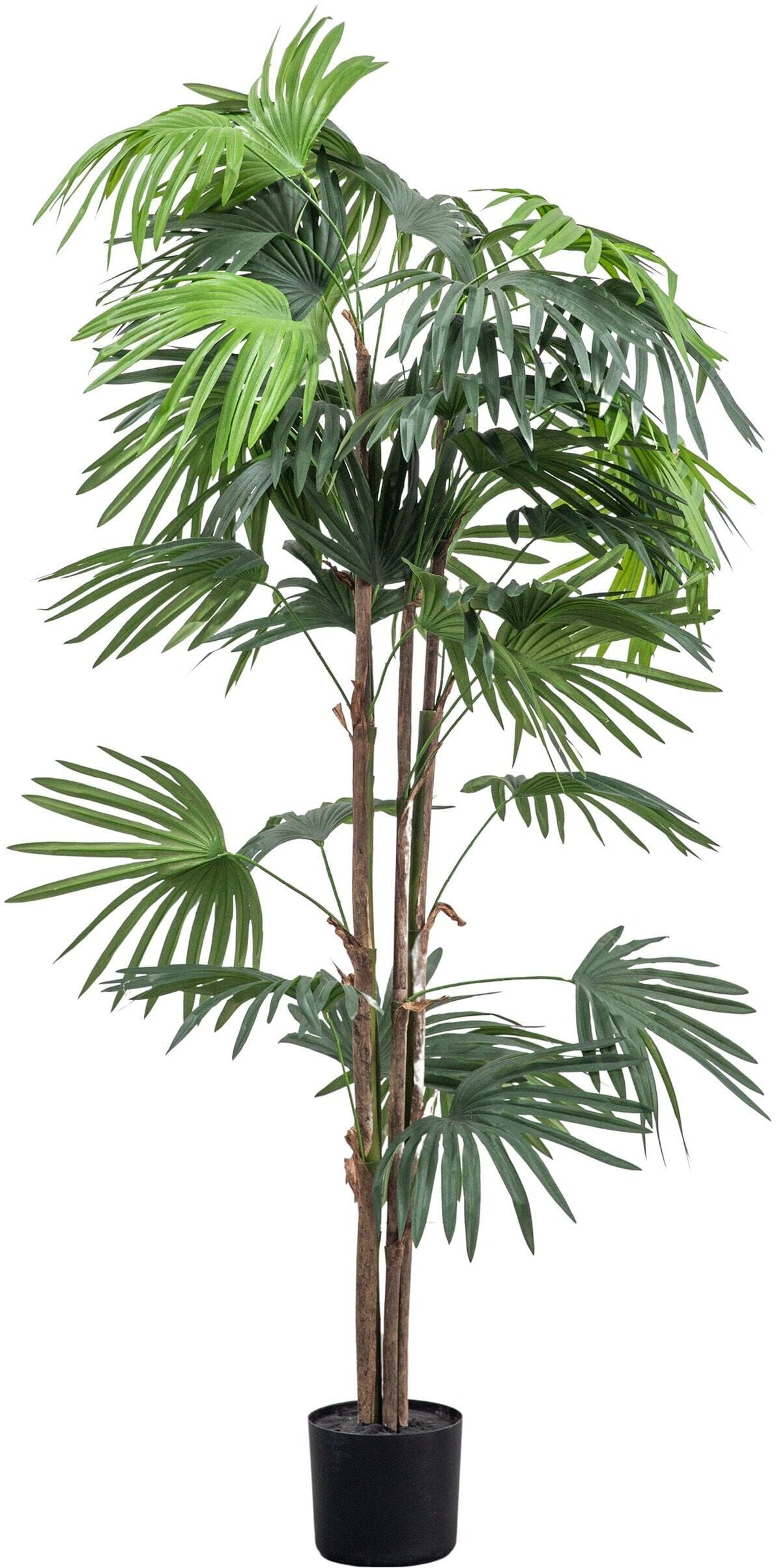
Large Faux Chinese Fan Palm TreeBring a touch of the tropics indoors with the Large Faux Chinese Fan Palm Tree. Standing tall with lush, vibrant green fronds, this maintenance-free botanical adds instant height and life to any corner of your home. Its realistic multi-stem design and detailed fan-shaped leaves create a refreshing, natural look without the need for watering or sunlight. Perfect for living rooms or offices, this durable artificial plant provides year-round greenery and style. Dimensions: H168 x D18 x W23cm179,00 £*Shipping: 4,99 £Secure redirect to the provider


-
Does the Kentia palm get brown leaves?
Yes, the Kentia palm can develop brown leaves for a variety of reasons. Overwatering or underwatering, exposure to direct sunlight, low humidity, and nutrient deficiencies can all contribute to the browning of Kentia palm leaves. It's important to monitor the plant's watering schedule, provide adequate humidity, and ensure it is not exposed to direct sunlight to prevent browning of the leaves. Regularly inspecting the plant for any signs of nutrient deficiencies and addressing them promptly can also help maintain the health and vibrancy of the Kentia palm's foliage. **
-
Why do the Chrysalidocarpus Areca Palm or Goldfruited Palm have brown leaves?
The Chrysalidocarpus Areca Palm or Goldfruited Palm may have brown leaves due to a variety of reasons. One common cause is overwatering, which can lead to root rot and nutrient deficiencies. Additionally, exposure to direct sunlight or cold drafts can cause the leaves to turn brown. It is important to ensure the plant is receiving the right amount of water, light, and temperature to prevent browning of the leaves. **
-
How do I care for my fan palm?
To care for your fan palm, you should follow these guidelines: 1. Light: Fan palms prefer bright, indirect light. Place your plant near a window where it can receive plenty of sunlight, but avoid direct sunlight which can scorch the leaves. 2. Watering: Keep the soil consistently moist but not waterlogged. Water your fan palm when the top inch of soil feels dry. Make sure to allow excess water to drain out of the pot to prevent root rot. 3. Humidity: Fan palms prefer high humidity levels. To increase humidity, you can mist the leaves regularly or place a humidifier near the plant. 4. Temperature: Fan palms thrive in temperatures between 65-80°F (18-27°C). Avoid exposing the plant to temperatures below 50°F (10°C) as it can damage the leaves. 5. Fertilizing: Feed your fan palm with a balanced liquid fertilizer every 2-4 weeks during the growing season (spring and summer). Reduce fertilization in the fall and winter. 6. Pruning: Remove any yellow or brown leaves by cutting them off at the base of the stem. This will help maintain the health and appearance of the plant. 7. Repotting: Fan palms prefer slightly root-bound conditions, so you only need to repot your plant every 2-3 years or when it outgrows its current pot. By following these care tips, you can help your fan palm thrive and grow beautifully in your home. **
-
Is this pot suitable for a Chinese fan palm?
Yes, this pot can be suitable for a Chinese fan palm. Chinese fan palms typically prefer well-draining soil, so make sure to choose a pot with drainage holes to prevent waterlogging. Additionally, ensure that the pot is large enough to accommodate the palm's root system and allow room for growth. Lastly, consider the aesthetic appeal of the pot to complement the beauty of the Chinese fan palm. **


How often do you fan the palm tree every day?
I don't fan the palm tree every day. Palm trees are typically able to withstand natural air currents and do not require daily fanning. However, if the palm tree is located in a particularly still or enclosed area, it may benefit from occasional gentle fanning to simulate natural air movement and promote healthy growth. **
What causes yellow-red-brown tips on a palm fern?
Yellow-red-brown tips on a palm fern are typically caused by environmental stress or improper care. This can include overexposure to direct sunlight, underwatering, or low humidity levels. It can also be a sign of nutrient deficiencies, particularly in the case of yellowing tips. To address this issue, it's important to ensure the palm fern is receiving the right amount of water, light, and humidity, and to consider fertilizing with a balanced houseplant fertilizer to address any nutrient deficiencies. **
Top-Angebote
Products related to Graham-Brown-Palm-Fan:
-
Graham & Brown Daintree Palm Sterling WallpaperSophisticated and intriguing, this extra large repeat wallpaper with a fabric look backdrop oozes class. Use as a unique, neutral setting in your home or spice it up with some bold color block accessories.190,00 $*Shipping: 0,00 $Secure redirect to the provider
-
Types of Fan Palm
There are several types of fan palms, including the Mexican Fan Palm (Washingtonia robusta), the California Fan Palm (Washingtonia filifera), and the Mediterranean Fan Palm (Chamaerops humilis). Mexican Fan Palms are tall and slender with a smooth trunk, while California Fan Palms have a thicker trunk and a more bushy appearance. Mediterranean Fan Palms are smaller in size and are known for their multiple trunks. Each type of fan palm has its own unique characteristics and growing requirements. **
-
Is the fan palm cold hardy?
The fan palm is generally not considered cold hardy. Most fan palms are tropical or subtropical plants and are not able to tolerate freezing temperatures. They are best suited for warm climates and may need protection or special care during colder weather. **
-
Does the Kentia palm get brown leaves?
Yes, the Kentia palm can develop brown leaves for a variety of reasons. Overwatering or underwatering, exposure to direct sunlight, low humidity, and nutrient deficiencies can all contribute to the browning of Kentia palm leaves. It's important to monitor the plant's watering schedule, provide adequate humidity, and ensure it is not exposed to direct sunlight to prevent browning of the leaves. Regularly inspecting the plant for any signs of nutrient deficiencies and addressing them promptly can also help maintain the health and vibrancy of the Kentia palm's foliage. **
-
Why do the Chrysalidocarpus Areca Palm or Goldfruited Palm have brown leaves?
The Chrysalidocarpus Areca Palm or Goldfruited Palm may have brown leaves due to a variety of reasons. One common cause is overwatering, which can lead to root rot and nutrient deficiencies. Additionally, exposure to direct sunlight or cold drafts can cause the leaves to turn brown. It is important to ensure the plant is receiving the right amount of water, light, and temperature to prevent browning of the leaves. **
Similar search terms for Graham-Brown-Palm-Fan
-
Large Faux Chinese Fan Palm TreeBring a touch of the tropics indoors with the Large Faux Chinese Fan Palm Tree. Standing tall with lush, vibrant green fronds, this maintenance-free botanical adds instant height and life to any corner of your home. Its realistic multi-stem design and detailed fan-shaped leaves create a refreshing, natural look without the need for watering or sunlight. Perfect for living rooms or offices, this durable artificial plant provides year-round greenery and style. Dimensions: H168 x D18 x W23cm179,00 £*Shipping: 4,99 £Secure redirect to the provider
-
Graham & Brown Vincenzo ChocolateChocolate is a colour that will fill your room with a timeless finish, mix that with the mottled texture of Vincenzo and there is nothing not to love. Rich in colour and depth add a new dimension to any space.190,00 $*Shipping: 0,00 $Secure redirect to the provider
-
Graham & Brown Armando NavyThis unusual colour way will play tricks on the eye as you try to admire all the colours entwined withing this design. Armando Navy is a textured paper which gives you the opportunity to play with colours and it will sit well with array of different...190,00 $*Shipping: 0,00 $Secure redirect to the provider
-
How do I care for my fan palm?
To care for your fan palm, you should follow these guidelines: 1. Light: Fan palms prefer bright, indirect light. Place your plant near a window where it can receive plenty of sunlight, but avoid direct sunlight which can scorch the leaves. 2. Watering: Keep the soil consistently moist but not waterlogged. Water your fan palm when the top inch of soil feels dry. Make sure to allow excess water to drain out of the pot to prevent root rot. 3. Humidity: Fan palms prefer high humidity levels. To increase humidity, you can mist the leaves regularly or place a humidifier near the plant. 4. Temperature: Fan palms thrive in temperatures between 65-80°F (18-27°C). Avoid exposing the plant to temperatures below 50°F (10°C) as it can damage the leaves. 5. Fertilizing: Feed your fan palm with a balanced liquid fertilizer every 2-4 weeks during the growing season (spring and summer). Reduce fertilization in the fall and winter. 6. Pruning: Remove any yellow or brown leaves by cutting them off at the base of the stem. This will help maintain the health and appearance of the plant. 7. Repotting: Fan palms prefer slightly root-bound conditions, so you only need to repot your plant every 2-3 years or when it outgrows its current pot. By following these care tips, you can help your fan palm thrive and grow beautifully in your home. **
-
Is this pot suitable for a Chinese fan palm?
Yes, this pot can be suitable for a Chinese fan palm. Chinese fan palms typically prefer well-draining soil, so make sure to choose a pot with drainage holes to prevent waterlogging. Additionally, ensure that the pot is large enough to accommodate the palm's root system and allow room for growth. Lastly, consider the aesthetic appeal of the pot to complement the beauty of the Chinese fan palm. **
-
How often do you fan the palm tree every day?
I don't fan the palm tree every day. Palm trees are typically able to withstand natural air currents and do not require daily fanning. However, if the palm tree is located in a particularly still or enclosed area, it may benefit from occasional gentle fanning to simulate natural air movement and promote healthy growth. **
-
What causes yellow-red-brown tips on a palm fern?
Yellow-red-brown tips on a palm fern are typically caused by environmental stress or improper care. This can include overexposure to direct sunlight, underwatering, or low humidity levels. It can also be a sign of nutrient deficiencies, particularly in the case of yellowing tips. To address this issue, it's important to ensure the palm fern is receiving the right amount of water, light, and humidity, and to consider fertilizing with a balanced houseplant fertilizer to address any nutrient deficiencies. **
* All prices are inclusive of VAT and, if applicable, plus shipping costs. The offer information is based on the details provided by the respective shop and is updated through automated processes. Real-time updates do not occur, so deviations can occur in individual cases. ** Note: Parts of this content were created by AI.